Choose the place where a load can actually finish
A folding station does not need its own room. A dining table, a cleared desk or a sturdy folding table can work. Start with a finished load and ask where you can handle it without moving three other projects. A beautiful counter beside the dryer is little help if it is always covered with supplies.
Look beyond the surface itself. Can you put the basket down without blocking a door? Can you reach the closet or dresser afterward? A station beside the bedrooms may save more walking than one beside the machines. Keep the route clear enough to carry a basket without stepping around loose shoes or bags.
Test the surface with a shirt before buying anything
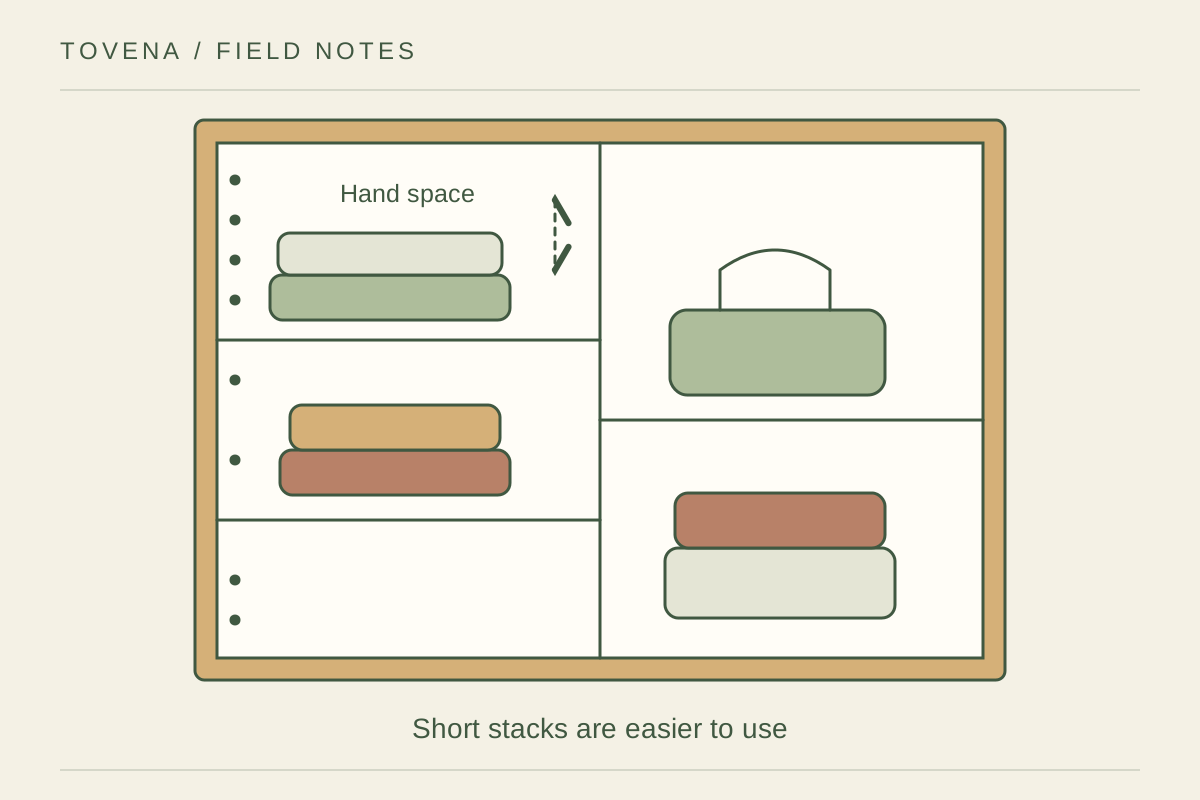
Lay out one of your larger shirts as you normally fold it. Leave room beside it for the finished stack. If sleeves keep falling over the edge or piles spill into the work area, change the arrangement before shopping for bins. The useful measurement is your working space, not the advertised tabletop size.
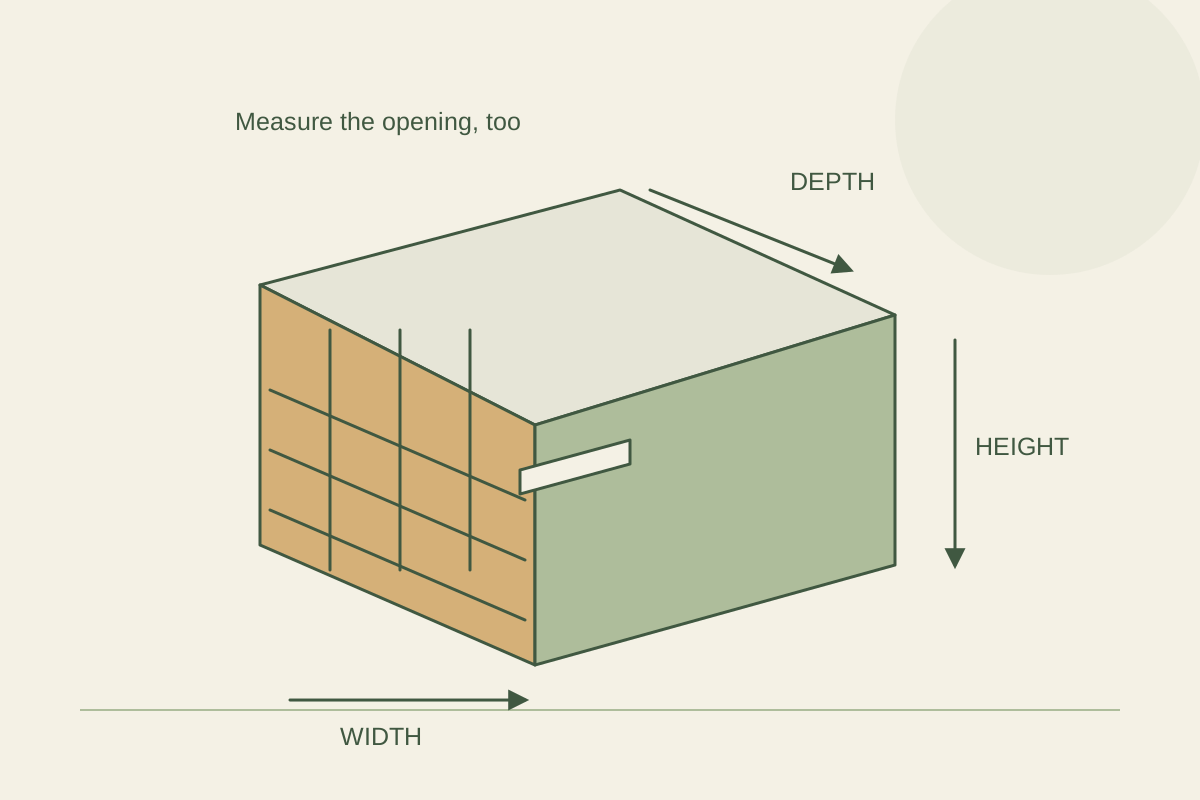
For a hypothetical fit test, a 36-by-24-inch cleared area might hold a shirt and one stack, but it is not a universal minimum. Try your own garments and reach. Stand or sit as you would during a full load; a surface that makes you hunch or stretch repeatedly needs another setup. Choose stable furniture and follow any folding-table locking instructions.
Have hangers ready before the dryer stops
Bring the hangers you need to the station before unloading. Remove hang-up items first instead of burying them under towels. Whirlpool recommends removing clothes when the drying cycle ends to help reduce wrinkling; follow the care labels for the garments and the instructions for your dryer.
Separate anything still damp from the finished pile and dry it as its label allows. The station is a place to finish dry laundry, not to hide unfinished pieces in a drawer. Keep clean clothes away from detergent spills, damp cleaning cloths and the basket you use for muddy gear.
Sort by the drawer the clothes will enter
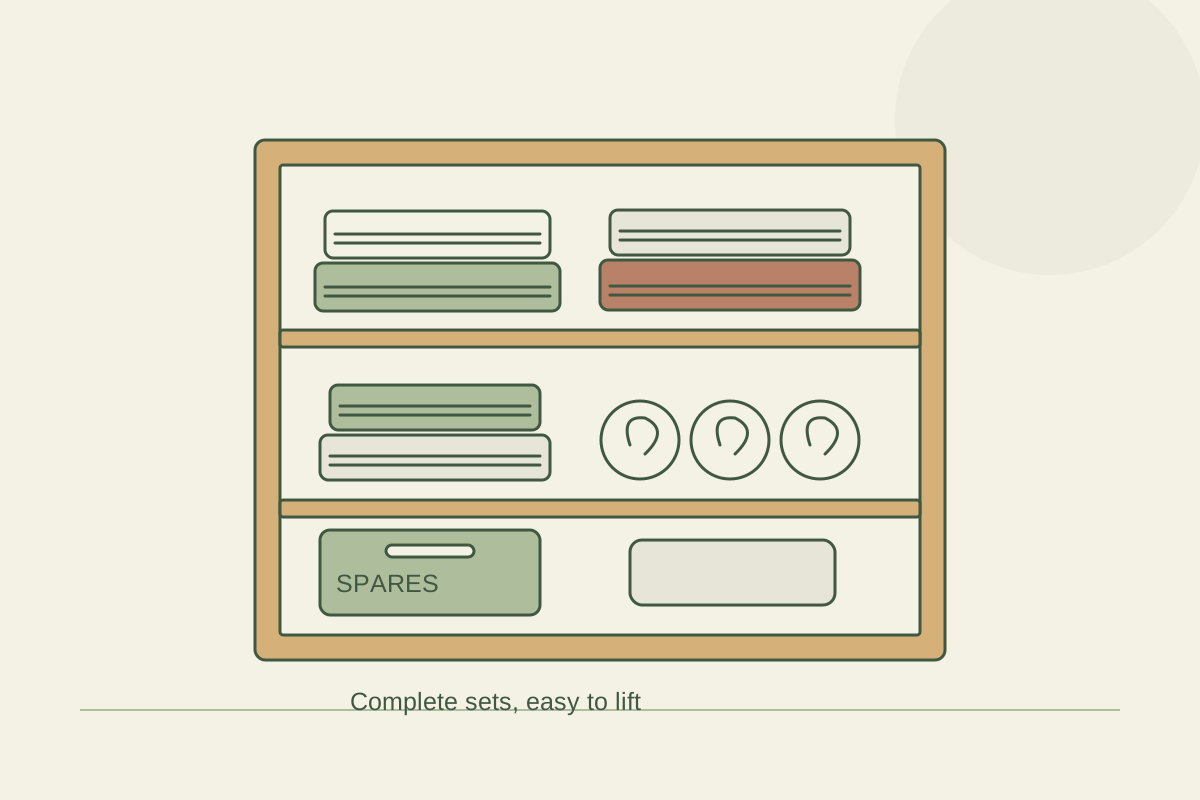
Make destination piles rather than one tall, mixed stack: one person's dresser, another person's closet, the bathroom shelf. For a shared load, a small basket per destination can help if those baskets fit on the route and do not require extra unpacking. A label is useful only when the people using it understand the same name.
Fold to the actual drawer. Try one shirt in place, then use that width for the rest of its group. Towels do not have to match the shirt fold. Keep stacks low enough to lift easily, and avoid refolding items simply to achieve identical shapes. Socks and everyday underwear can go directly into their assigned compartments if elaborate folding adds a step nobody maintains.
Deliver the piles while they are still separate
Once a destination pile is ready, take it to its drawer. If several people share the job, agree whether each person collects a basket or one person makes the delivery. Without that agreement, a row of labeled baskets can become a second clean-laundry backlog.
Keep a small, separate place for unmatched socks or a loose button. Give it a limit, such as one shallow container, and check it on the next laundry day. Do not let a single missing match hold the rest of a load on the table.
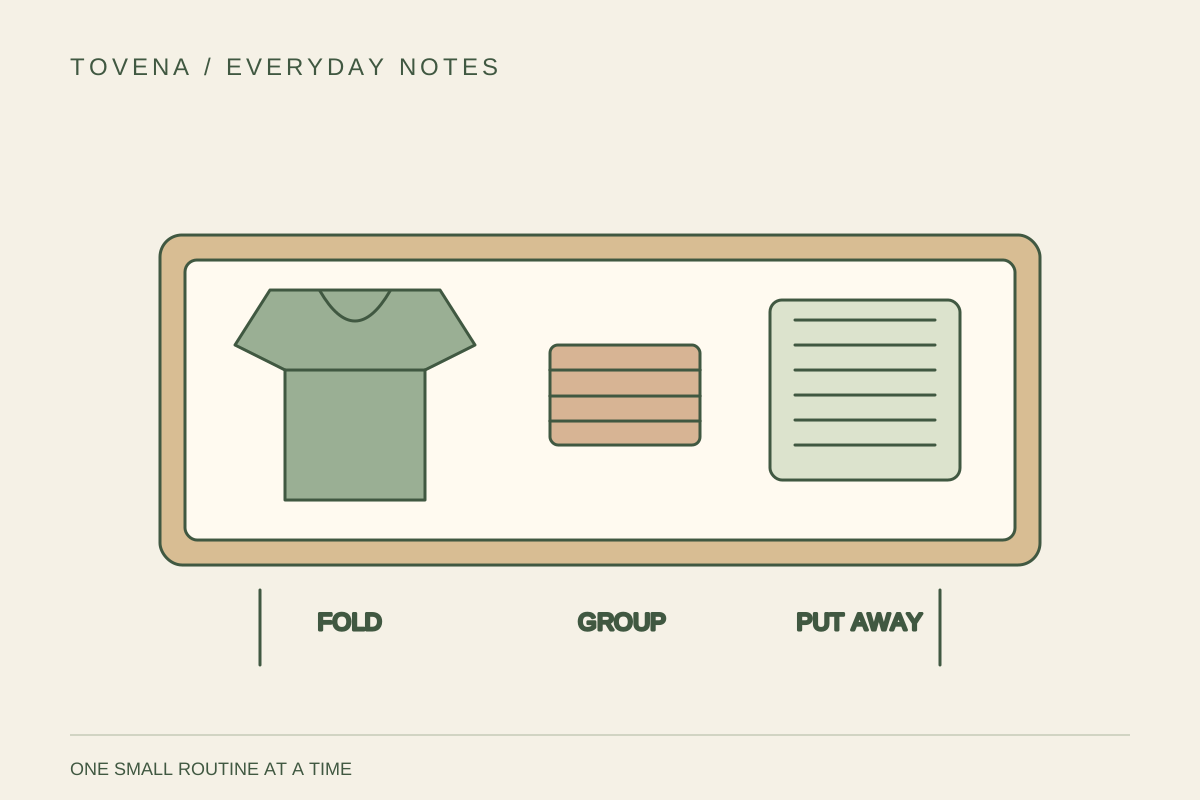
Make packing away part of the routine
Return spare hangers, empty the basket and restore the table to its next use. Store a folding table only after closing and securing it as directed. Nothing should be left balanced against a doorway or where it can fall.
After two or three loads, notice the unfinished step. If clothes are folded but never delivered, more tabletop space will not solve it. If the table takes too long to clear, choose a different surface. Change that one obstacle before adding another organizer.
Compare the options
| Surface | Useful when | Check first |
|---|---|---|
| Dining table | Laundry finishes between meals | Food residue is removed and the table can be cleared again |
| Sturdy folding table | You need a temporary work surface | Legs lock securely and stored size fits your space |
| Bedroom desk | Most clothes go into nearby drawers | The work area is clear and comfortable to reach |
Your checklist
0 / 5 completed
Common questions
Do I need a dedicated laundry counter?
No. A clean, stable surface that can be cleared for one load is enough. Try an existing table before adding permanent furniture, especially if the new furniture would narrow a walkway.
Should I buy a folding board?
Try folding a shirt to fit your drawer first. A board is worth considering when a repeatable width solves a real problem and the board itself has a convenient storage place.
What if I cannot put the whole load away at once?
Finish one destination at a time. Put away the bathroom towels or one person's clothes, then continue. Leave the remaining clean items contained and separate from damp or dirty laundry.