Sort the chair before choosing an organizer
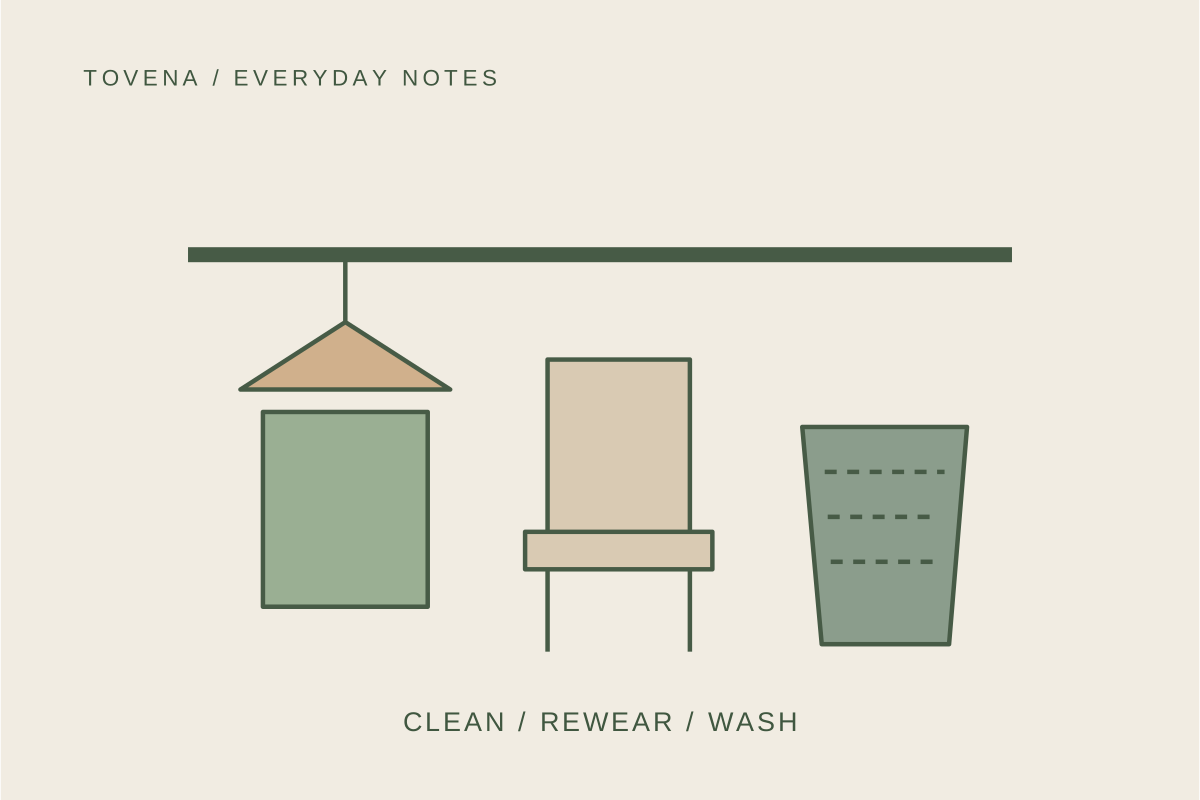
Take each garment off the chair and make a decision while you are holding it. Return freshly laundered pieces to their normal place. Put clothes that need laundering in the hamper. Set aside only the garments you genuinely intend to wear again before washing. A shirt you are postponing mending does not belong in that third group.
Use the care label and the condition of the garment to make the laundry decision. This guide does not prescribe how many times a person should wear jeans or a sweater. Activity, fabric, spills, and personal preference differ. The practical task is to make your own decision visible instead of burying it under the next evening’s clothes.
Choose a landing place that respects the fabric
Apartment Therapy discusses hooks, hangers, garment racks, and valet stands for clothes between wears. Choose one approach based on what ends up on your chair. A shirt that you want to keep uncreased may need its proper hanger, while a casual layer might sit neatly over a suitable rail. Check that the support will not stretch or mark the garment.
Start with something already available: a small section of the closet rod, a spare hanger at the end, or an existing rail. Avoid building an entire second wardrobe. A large empty container can conceal a growing backlog, especially when you cannot distinguish yesterday’s sweater from the clothes that have been waiting there for several weeks.
Place the station where you get undressed
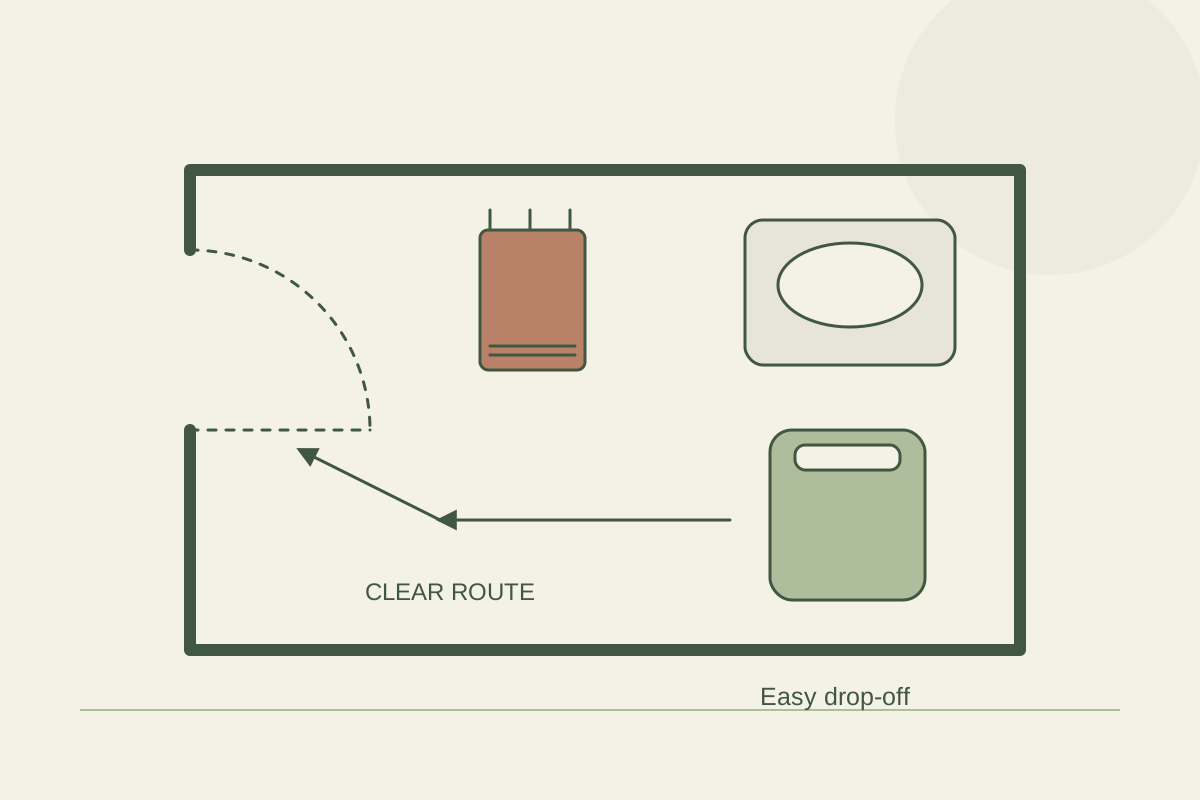
Notice where clothes leave your body at night. If the bedroom chair is beside the closet, moving the new station to the far side of the room may work against the habit you are trying to change. Put the assigned space close enough that hanging a garment requires no more effort than dropping it on the chair.
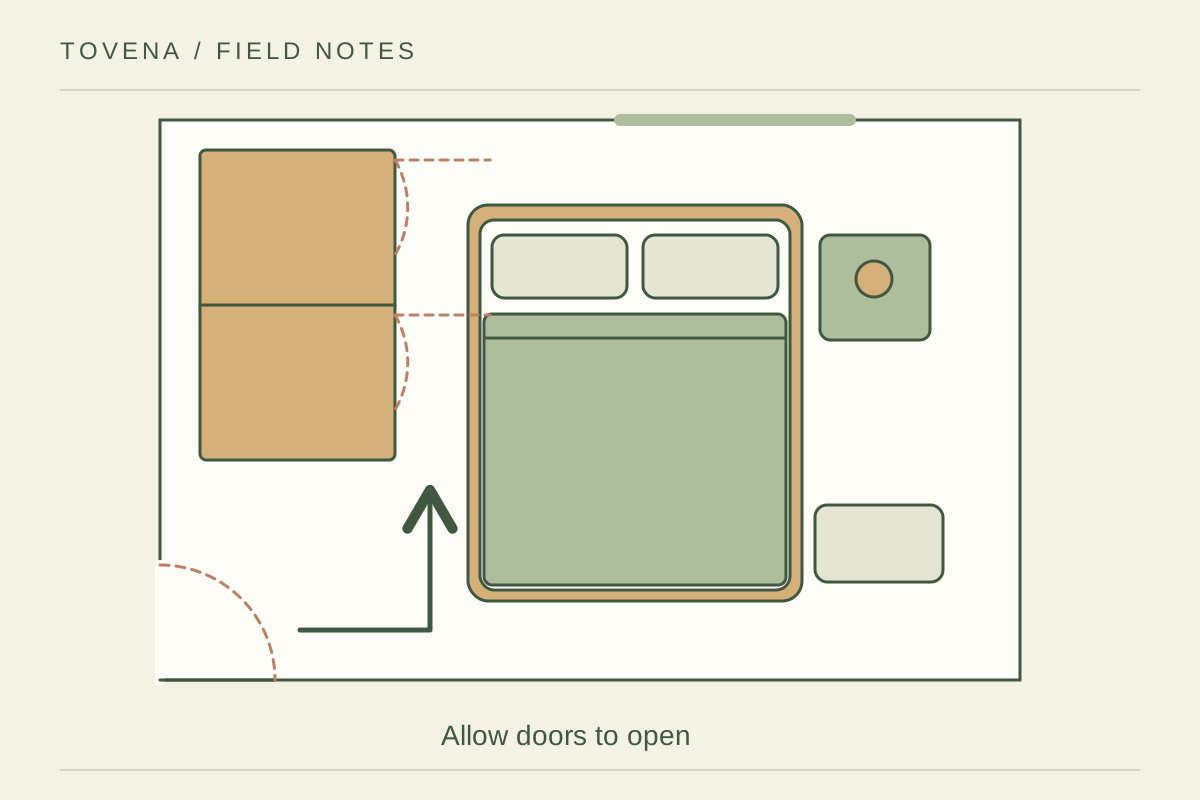
Open nearby doors and drawers with a garment in position. An over-door accessory must allow the door to operate properly, suit its thickness, and meet the accessory maker’s load instructions. In a rental, check permission before fastening anything to a wall. A spare section of the existing rod is a reasonable first trial when installation is unnecessary.
Keep the three destinations understandable
Use plain labels if the bedroom is shared: clean storage, wear again, and laundry. Different containers are not essential, but different destinations are. An undivided basket containing both dirty socks and an otherwise wearable cardigan leaves the next person guessing. Put the laundry hamper somewhere the household can use easily, rather than giving the attractive station all the convenient space.
If two people share the area, allocate a recognizable part to each person. A small divider on a closet rod or separate labeled hangers may be enough. Avoid a system that requires one person to evaluate the other person’s clothing. The person who wore the item should decide whether it is ready for another wear or needs care.
Use the station when choosing tomorrow’s outfit
Look at the wear-again space before opening clean drawers. Choose an item you still want to wear, then return it to that space or send it to the hamper after use as appropriate. This simple link gives the station a purpose. Without a return to use, it becomes another place where decisions wait.
If a garment keeps getting passed over, ask why. It may need ironing, a repair, or a different season. Move it to an appropriate next step instead of continually rehanging it. Keep repair and alteration tasks separate enough to notice, with a realistic plan for completing them rather than a permanent bag behind the closet door.
Clear the station before it starts a second pile
Pick a review moment that already happens, such as preparing laundry or putting clean clothes away. Return things that belong in clean storage, wash what now needs washing, and decide whether the remaining pieces still have a likely next wear. The size of the station should make accumulated clothes apparent before another chair disappears beneath them.
Sit in the cleared chair at the end of the first review. If clothes keep returning to it, the new destination may be inconvenient or too complicated. Change one thing: move the hanger, remove the lid, or make the label clearer. A working arrangement should support the way you finish the day, including the days when you are tired.
Compare the options
| Option | Useful when | Watch for |
|---|---|---|
| Closet rod section | Crease-sensitive garments | Do not mix up its purpose with clean storage |
| Valet or suitable rail | An outfit needs to stay visible | Keep walking space clear |
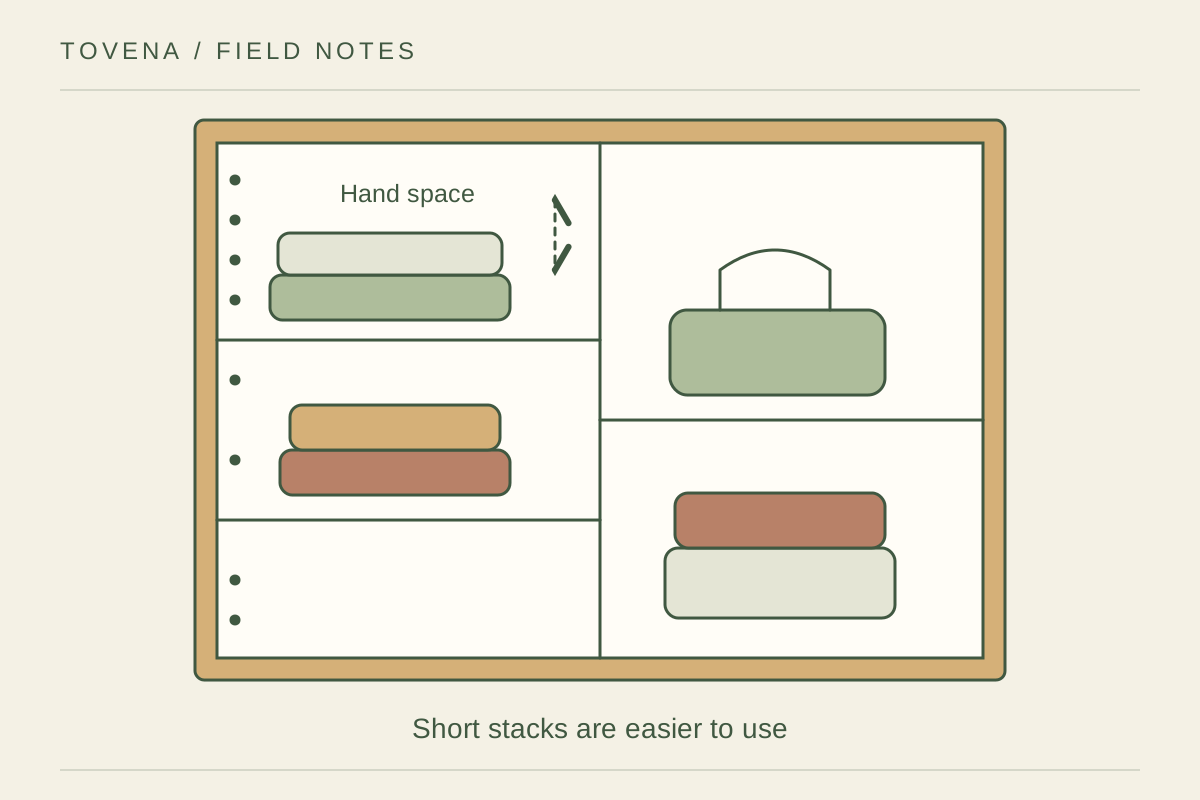
| Small open basket | Casual items can be folded | The bottom must not become a forgotten pile |
Your checklist
0 / 5 completed
Common questions
Are worn clothes always dirty?
There is no single rule for every garment or activity. Use the care label and the actual condition to decide.
Do I need a new rack?
Try a designated part of existing storage first.
What if my partner uses the same station?
Give each person an identifiable space and let each person decide what needs washing.