Follow the existing pile
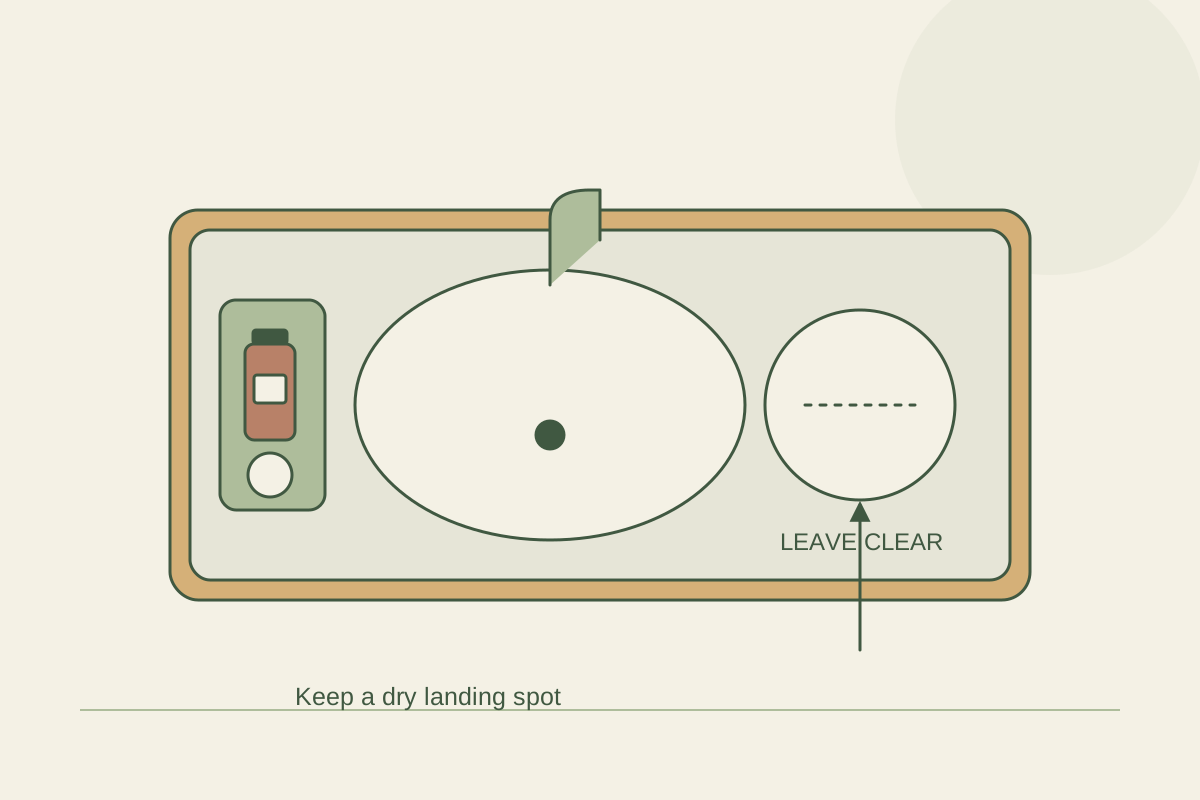
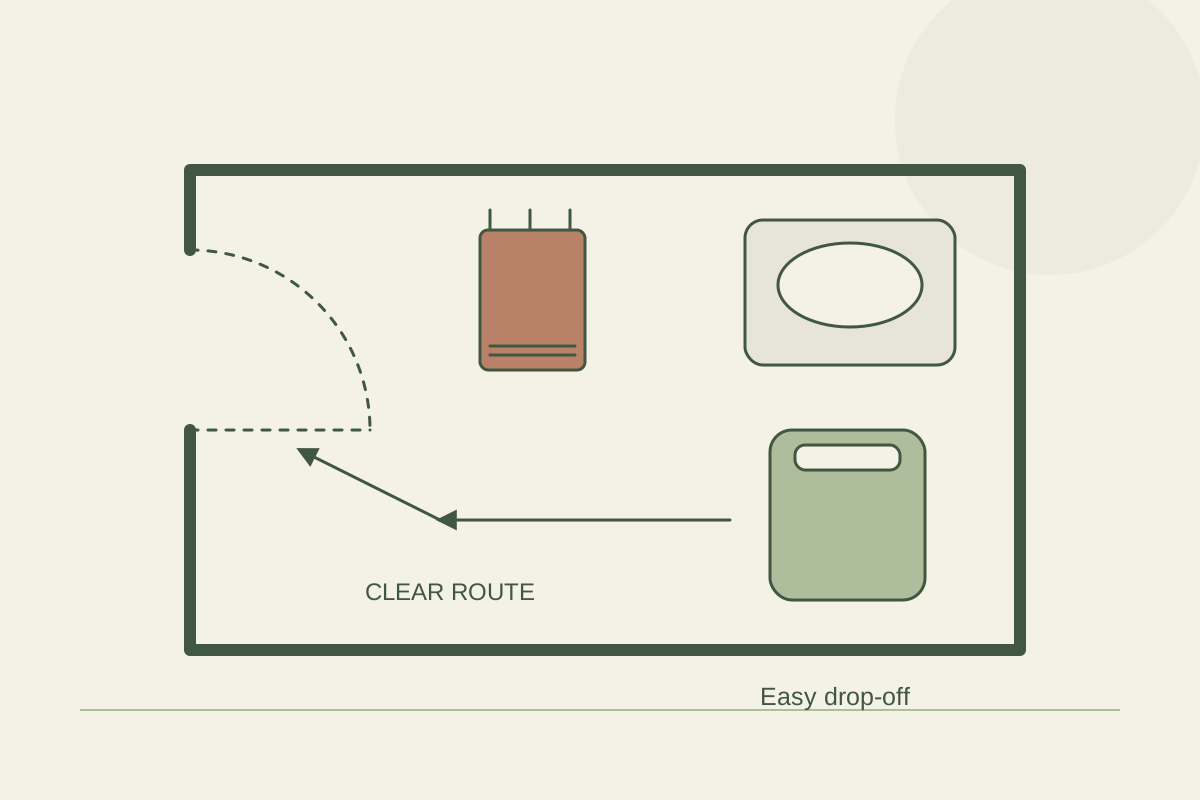
Notice where worn clothes collect during a normal week. A beautiful hamper beside the washing machine is not helpful if everyone changes upstairs and leaves clothes on a chair. Put the main collection point near that routine where space allows. In a small bathroom, compare the floor footprint with the door open and someone using the sink. Keep walkways clear; a slimmer hamper in a convenient location may work better than a large one squeezed behind the door.
Separate collection from drying
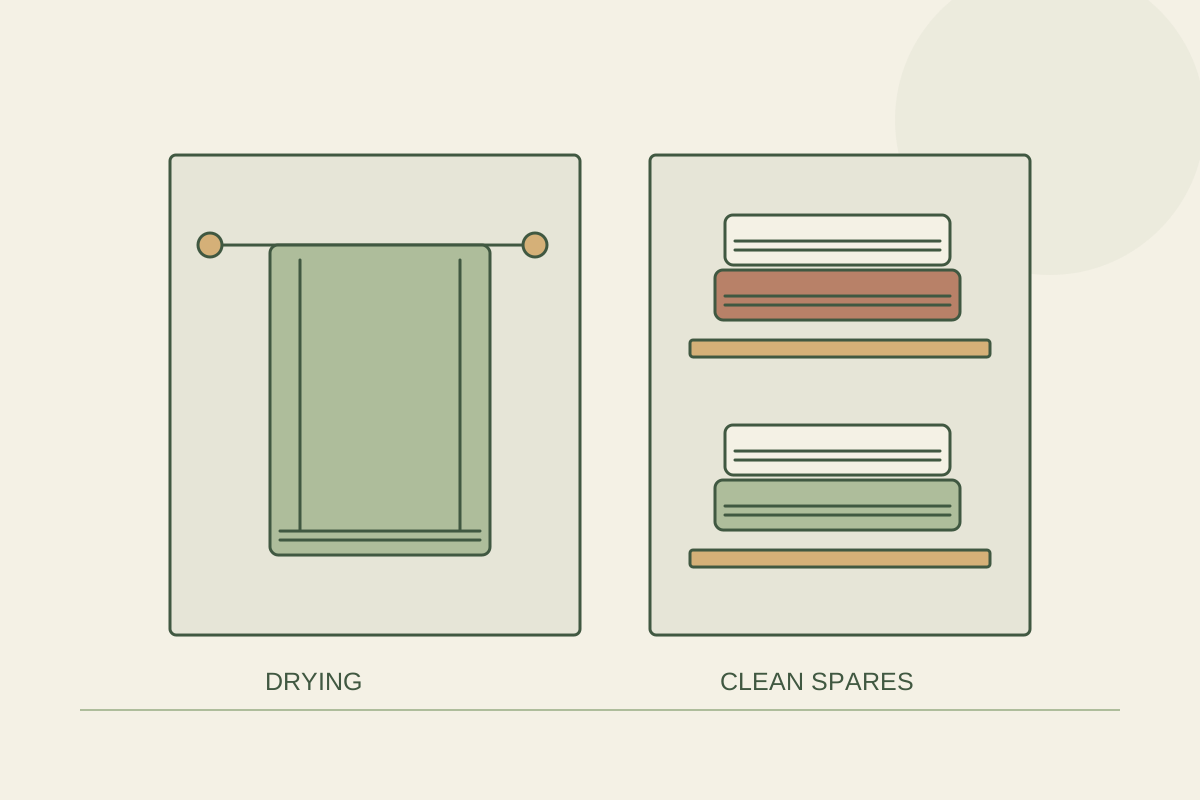
Follow textile care instructions and do not use a closed hamper as a place to leave wet towels bundled indefinitely. Give damp items an appropriate place to dry before they join the stored laundry. Consider a washable liner or container design you can clean according to its instructions. If several people share the basket, choose a straightforward opening. An awkward lid or decorative fastening can encourage the very floor pile the hamper was meant to prevent.
Test the journey to laundry day
Lift or remove the laundry with a realistic load inside. Check the route around corners and through doors, especially if the hamper itself must travel. Two smaller removable bags may be easier than one large rigid basket. Sorting compartments are useful only if the household understands and uses them; otherwise sort near the machine. Leave enough room to return the empty container without rearranging the bathroom. Choose the arrangement that reduces carrying and missed clothes, not the one with the most compartments.