Make a bed, not a display
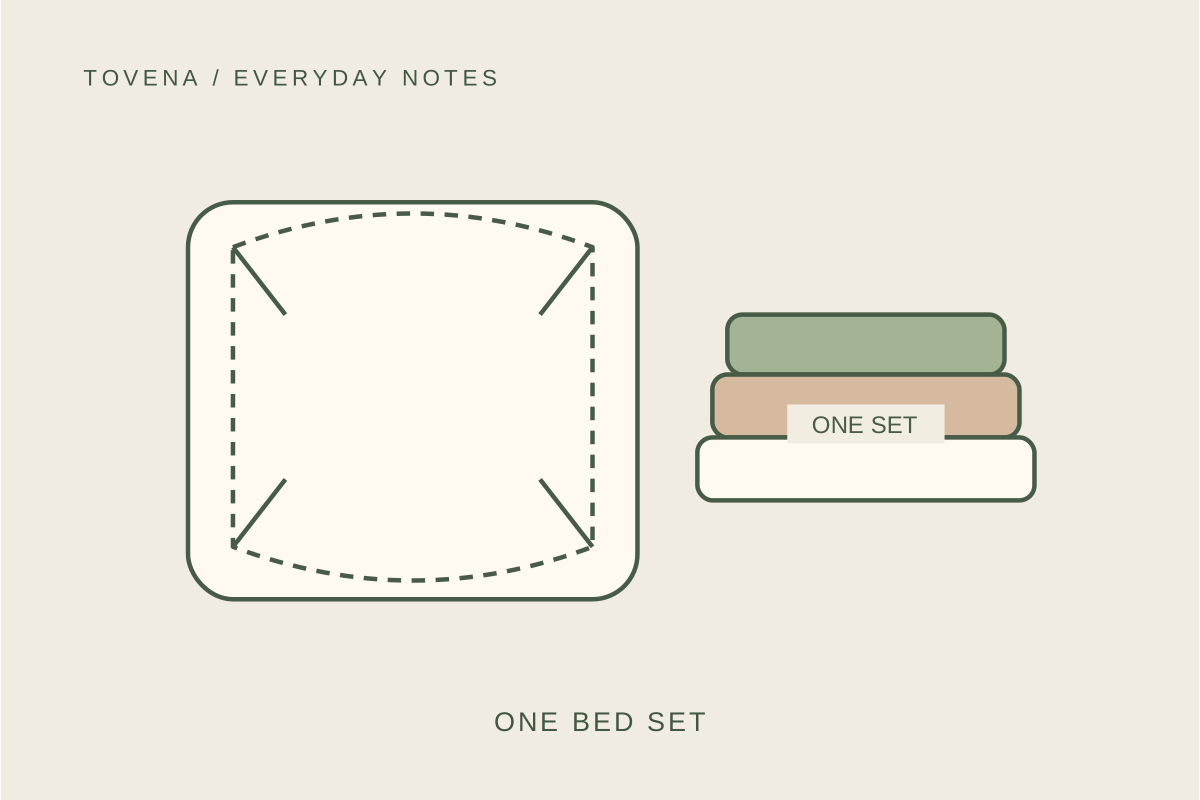
Put on a complete set of clean, dry bedding that fits the mattress and fastens properly. Check the sleeping surface with a hand rather than assuming a smooth cover hides every lump. Use the pillows the bed needs, with an optional spare kept nearby, instead of covering half the mattress with decorative cushions. If the room doubles as storage, move personal piles before adding any welcoming extras; a guest needs somewhere to put their own things.
Test the room from the pillow
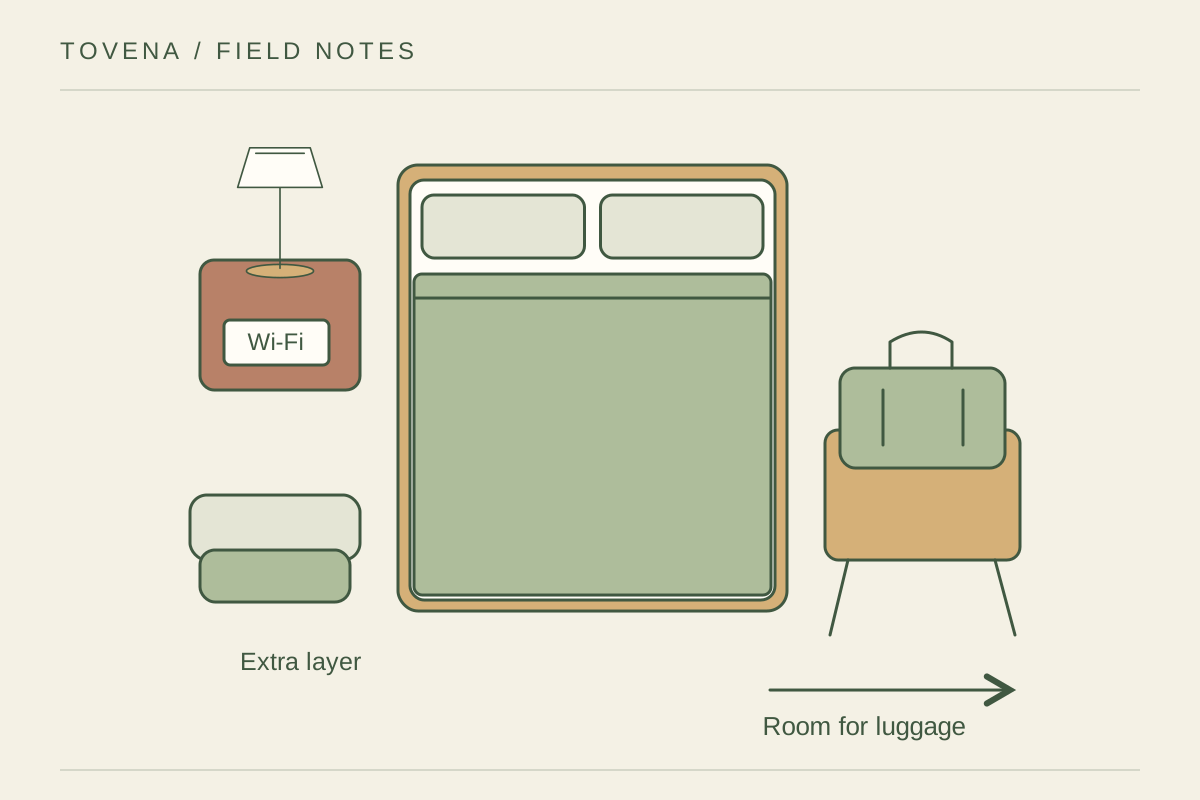
Lie down briefly and see what is within reach. A lamp switch should be understandable without a tour, and a phone needs a clear, dry landing place. Check the route to the door after dark, keeping luggage and loose cables out of it. Tell guests where an extra blanket and towels are stored. Written Wi-Fi details and a simple note about an unfamiliar blind can be more useful than a tray full of decorative objects.
Leave choices without creating clutter
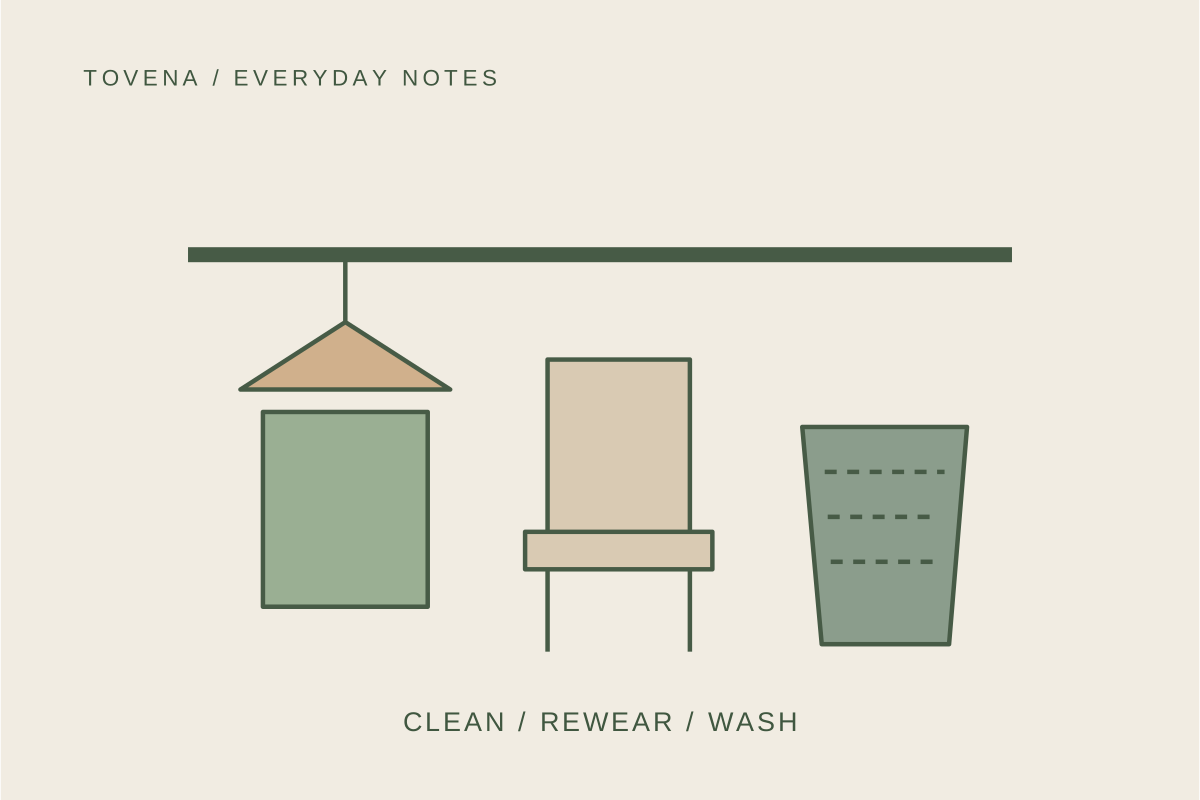
Keep a lighter layer and one warmer option available so guests can adjust the bed themselves. Avoid assuming everyone wants fragrance in the room; clean textiles and an uncluttered surface are enough preparation. Clear a few hangers or one drawer if the stay lasts several days. Before arrival, open and close the curtains, check the lamp, and sit on the bed edge. Small practical faults are easier to fix before a suitcase occupies the floor.