Open the bed before the guest arrives
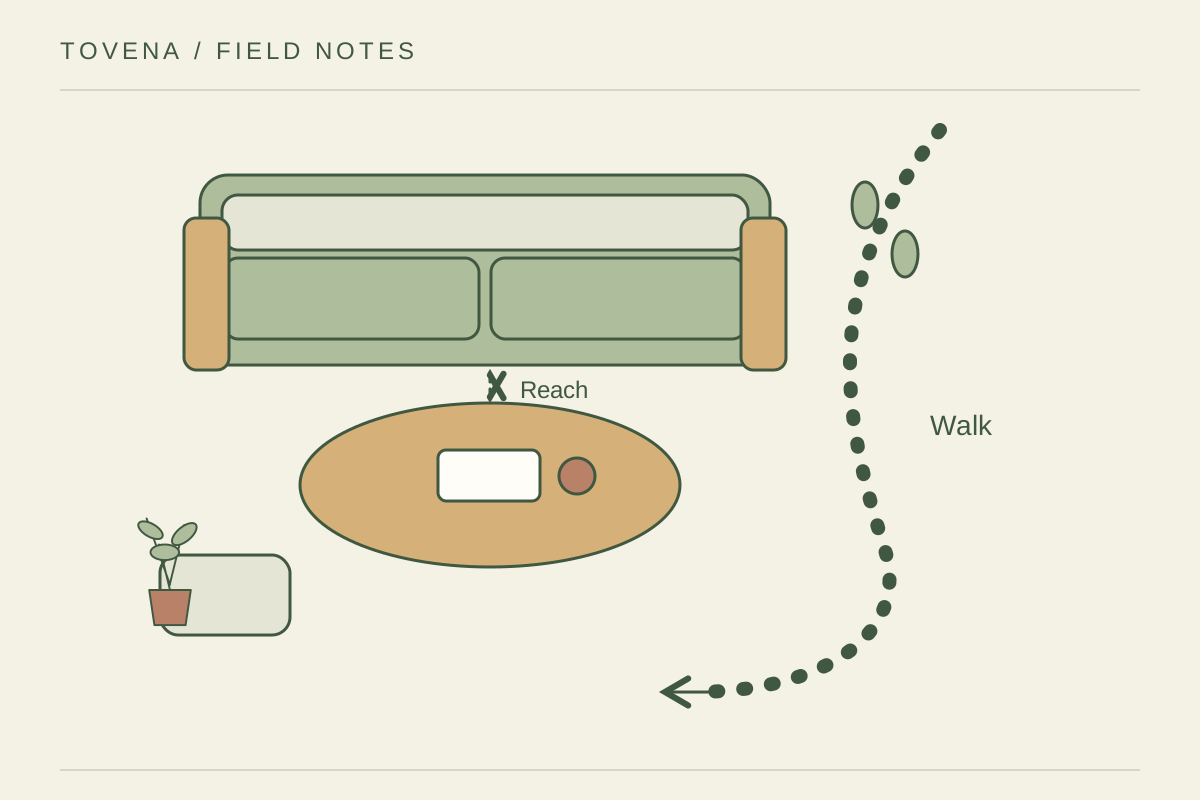
A sofa bed can change the room more than you expect. Open it completely, with the bedding in place, before deciding where everything else goes. Move the coffee table to its overnight position and check that the guest can still get to the bathroom. Finding a place for the table at midnight is a poor welcome.
If you use a folding bed or another temporary sleep surface, follow its setup instructions and check that it is stable. Do not improvise with unsupported furniture. Walk the route yourself with the room arranged for sleep. Look for loose rugs, low furniture and cords that were harmless beside a closed sofa but now sit directly in the way.
Pack the bedding by sleeping place
Keep the sheet, pillowcase and cover for this setup together. Check the dimensions against the actual mattress; a household's spare fitted sheet is not automatically the right one. If you add a topper, include its depth when checking the sheet. A small note with the size can save measuring again next time.
Put away textiles only when they are clean and fully dry, following their care labels. Choose a storage spot you can reach without dismantling another room. IKEA's guest-room ideas demonstrate how a daytime room can serve overnight visitors; its separate bedding and nearby storage are useful prompts for planning your own setup, even when you use furniture you already have.
Clear one place for a bag
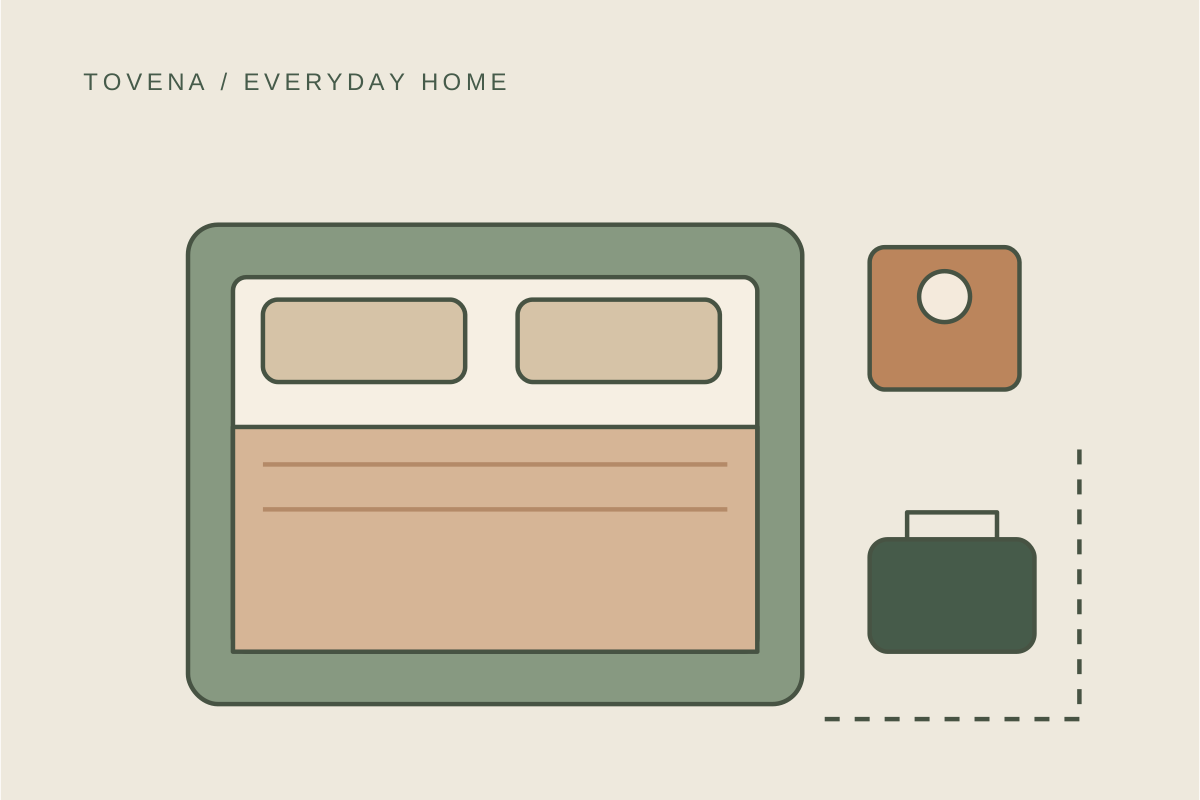
A guest does not need an empty wardrobe for a short stay, but they do need somewhere to put their belongings. Clear a stable chair, an accessible shelf or an agreed patch of floor outside the walking route. Leave enough room to open the bag. Otherwise the bed becomes the only available unpacking surface.
Tell the guest which space is theirs instead of expecting them to guess. In a shared room, put your own daily items somewhere you can reach without entering their temporary sleeping area. That might mean moving your work bag, charging cable or morning sweater before bedtime. Privacy works better when neither person needs to keep retrieving things.
Arrange a small bedside landing spot
Use a steady table or suitable existing surface for a glass of water, glasses and a phone. Test it from the bed rather than judging from across the room. It should be reachable without stretching over the floor. Clear away fragile decorations so there is room for what your guest actually needs.
Choose a lamp they can switch off from the sleeping position, with cords kept clear of the route. Follow the lamp and charger instructions and avoid trapping cords in folding mechanisms. Show the guest the light controls before you leave the room. If an outlet is awkward, explain where they can charge a phone rather than running a cable across the doorway.
Agree on the morning before bedtime
A shared living room has a timetable. Let the guest know roughly when the room is needed again and whether anyone will pass through it early. Ask what time they expect to get up. A quick conversation is kinder than opening curtains while someone is still asleep or leaving them unsure whether they should fold the bed.
Show them the bathroom route, leave a clean towel in an obvious place and explain any household details that are hard to discover quietly. If the room has no door, discuss the limits of the space honestly. Temporary privacy can help, but a screen should stand securely and never narrow an essential exit route.
Use one return trip to restore the room
In the morning, separate used bedding from clean spare pieces. Launder it according to the labels before returning it to longer-term storage. Let the sleep surface air as its manufacturer recommends, then fold or pack it away as directed. Check that nothing is caught in the mechanism before closing a sofa bed.
Return the table and lamp, clear the guest's bag spot and put the ordinary living-room items back. Notice which step took the longest. A bedding bag closer to the room or a better temporary table position may solve the problem without a new furniture purchase. The point is to welcome someone comfortably and still have a room that works the rest of the week.
Compare the options
| Area | Overnight use | Morning return |
|---|---|---|
| Sofa area | Sleeping surface and clear access | Fold away as instructed |
| Small table | Water, glasses and reachable light | Return everyday items |
| Bedding storage | Keep spare pieces separate | Launder used pieces before storing |
Your checklist
0 / 5 completed
Common questions
Do I need a dedicated guest cabinet?
No. One accessible place for the correct clean bedding and a clear temporary bag spot can be enough for a short stay.
What if the coffee table has nowhere to go?
Test the open bed before the visit. If the table blocks essential access in every position, choose a different suitable sleeping arrangement.
Should I fold away the guest bed every morning?
Agree on the plan with your guest. For a longer visit, balance daytime access with the effort of repeated setup, while keeping essential routes clear.