
Measure the mattress you actually sleep on
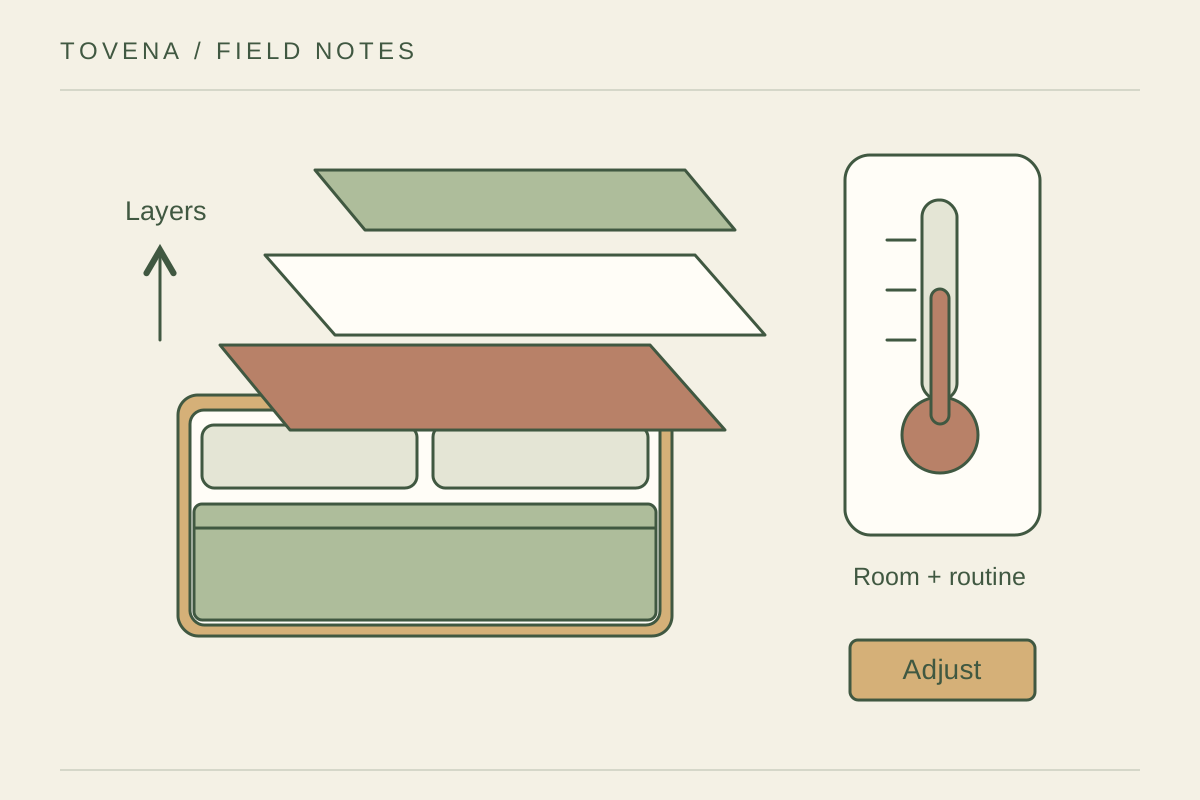
Use a tape measure across the mattress rather than relying on the bed frame or an old receipt. Record width and length in inches, then measure the full depth with any topper or pad you plan to keep. A name such as queen is a starting category, not a substitute for the actual measurements.
Compare your total depth with the fitted sheet's stated fit range or maximum mattress depth. A very deep pocket is not automatically better for a shallow bed; read how the particular product is designed to fit.
Match covers and inserts by numbers
Measure the existing comforter or duvet insert laid flat and compare it with the cover's finished dimensions. Check where its corner loops and the cover's ties sit, along with the closure. Do the same for pillows and pillowcases: a set name does not tell you every included size.
For an illustrative 90-by-94-inch insert, compare that measurement with each proposed cover rather than assuming all full/queen covers match. If the maker recommends a particular size combination, use that product-specific guidance and ask about mismatched dimensions before purchasing.
Read the contents list like a packing list
Write out fitted sheet, flat sheet, duvet cover, pillowcases, shams, and insert as separate entries. Mark what you already own and what the listing actually includes. Styled photographs can contain several separately sold items; use the written description to count the pieces.
A lower-priced set may simply contain fewer pieces. Conversely, a larger bundle may add items you will never use. Compare the cost of completing your working setup, not the number printed next to the word set.
Check care by item, not by fiber alone
Read washing method, drying method, bleach restrictions, and any ironing instructions before ordering. Brooklinen's own care guide gives different directions for different products, including sheets, comforters, and silk pillowcases. That is a useful reminder to follow the instructions for the item you bought, rather than applying one routine to everything called bedding.
The FTC care-labeling guidance cited below covers clothing and certain apparel fabrics; it is not a blanket requirement for bedding. If a bedding listing lacks care information, request the maker's directions. Do not fill that gap with instructions from a clothing label or another brand's similar fabric.
Make the laundry plan before adding decorative layers
Check your washer and dryer instructions against the bedding maker's requirements, especially for bulky inserts. If the prescribed care needs different equipment or professional service, include that effort and cost in the decision. Keep a photograph of the label where you can find it on laundry day.
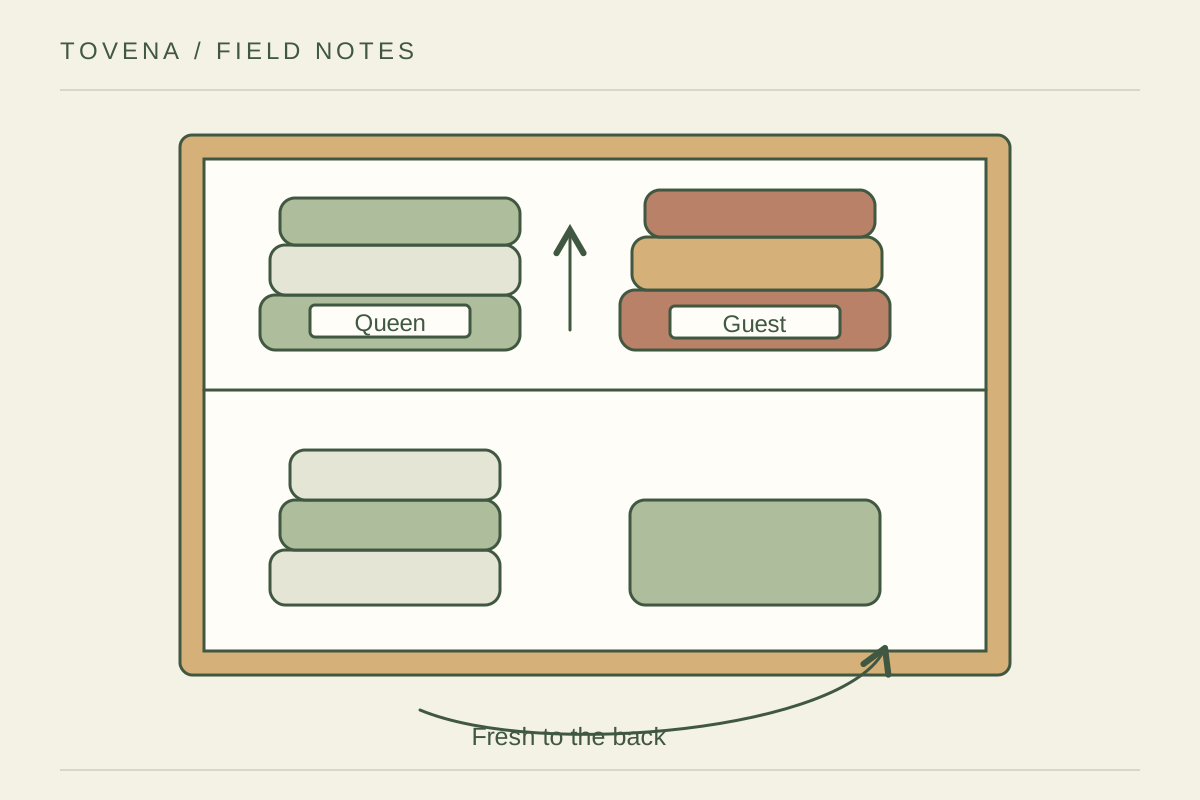
Start with a complete usable bed and enough spare pieces for your actual wash-and-dry turnaround. Add a throw or extra pillows after using the basics. Store cleaned bedding only when fully dry, and put compatible pieces together so changing the bed does not become a search.
Compare the options
| Bedding piece | Compare with | Care question |
|---|---|---|
| Fitted sheet | Mattress + topper depth | Wash and drying method? |
| Duvet cover | Insert's exact dimensions | Closures and special directions? |
| Pillowcase | Actual pillow dimensions | Care different from sheets? |
| Comforter / insert | Bed and intended cover | Will your equipment handle it? |
| Decorative throw | Where it will be used | Easy to maintain separately? |
Your checklist
0 / 6 completed
Common questions
Does a deeper fitted-sheet pocket prevent corners slipping?
Not necessarily. The pocket still needs to suit the mattress's shape and depth, and the product's elastic design matters. Compare the stated fit range instead of choosing the largest available pocket.
Can I wash the cover and insert together?
Only if their respective instructions and your machine's capacity allow it. A removable cover and its insert can require different care; being used together does not establish a shared washing method.
Should I buy every layer at once?
You can start with the pieces needed for a complete bed and a practical spare arrangement. Use them first, then decide whether another blanket or decorative layer solves a real need.