Watch what happens in the first minute
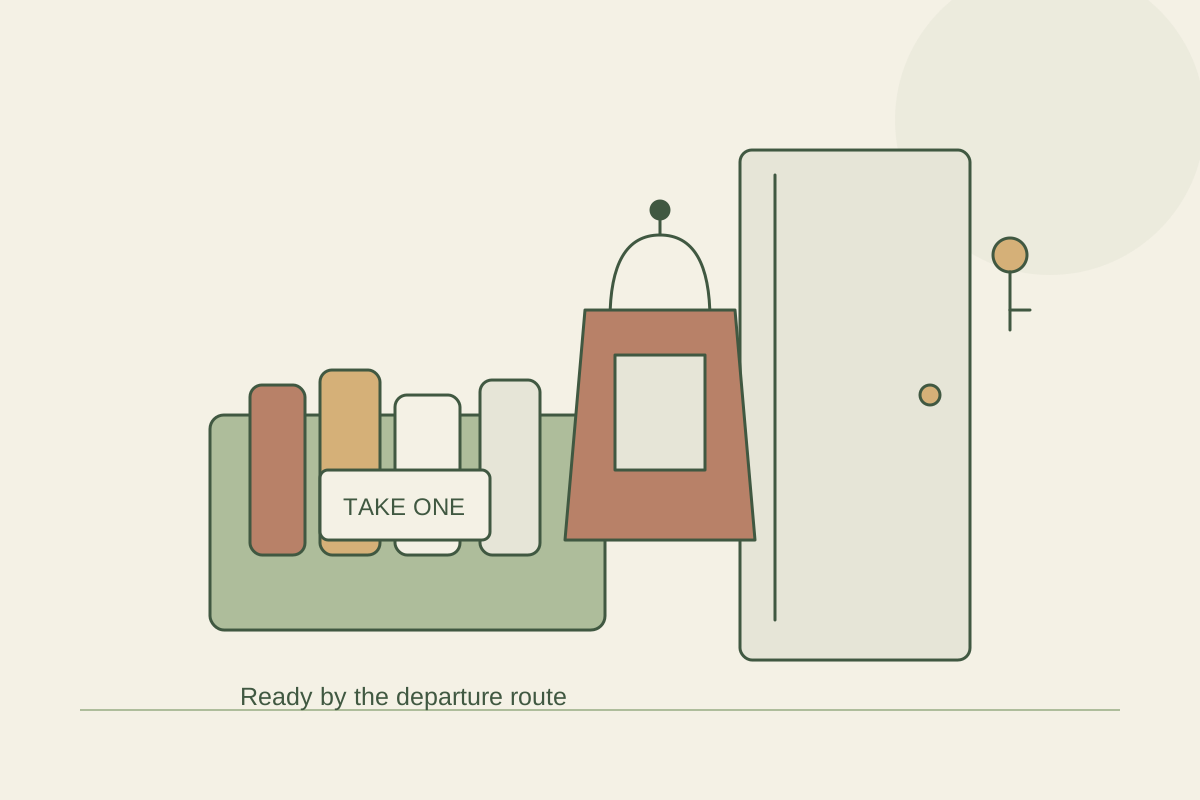
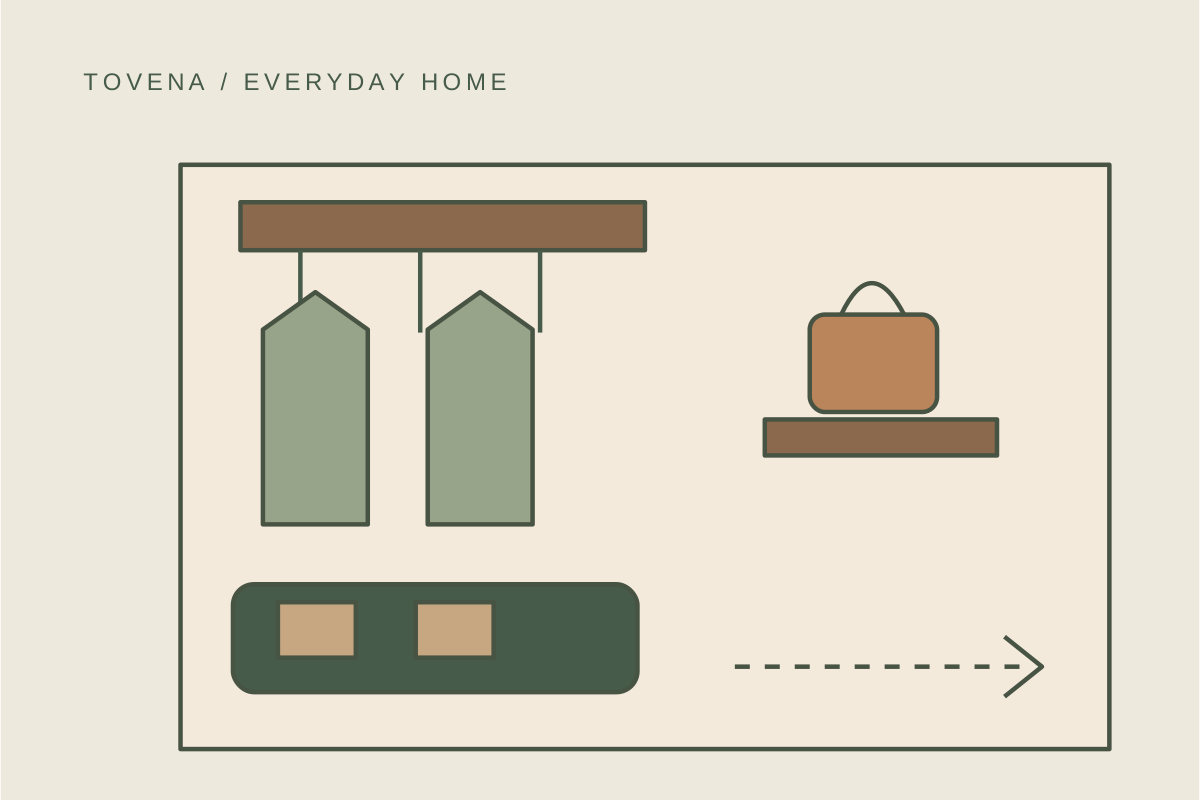
On a rainy evening, the problem is usually a sequence: you unlock the door, put down a bag, take off wet shoes and look for somewhere to hang a coat. If the only available surface is the sofa, that is where the bag goes. Start by deciding where each thing lands in that first minute.
Try the route with the items you actually carry. Include the reusable grocery bag, the dog leash or the child's backpack if those are part of the trip. A narrow shelf that holds keys but not your work bag will still leave you searching for a second place. You do not need a full mudroom; you need a few reachable landing spots.
Keep the wet area small and easy to wash
Choose a tray that fits your usual wet shoes without extending across the walking route. Check its actual outside dimensions, including the rim. Put it on a floor surface that can tolerate the arrangement, following the flooring maker's guidance. A tray protects nothing if water runs over its edge and sits underneath it.
Take out grit and wipe up collected water instead of leaving a miniature puddle by the door. Lift the tray when cleaning so you can check below it. If you use an absorbent mat, let it dry and wash it as directed. Do not stack wet shoes in a closed basket just to hide them; the aim is to contain the mess while the footwear dries.
Give bags a dry landing place
Set the bag shelf or hook away from the drip line of coats and umbrellas. It only needs to hold the bags used that day. Try the heaviest bag before committing to a hook, and check the fitting instructions, wall type and permitted load. A rail full of bags can put more strain on its fixings than a single light jacket.
If there is no wall space, use a stable existing surface nearby. Reserve one part for the bag rather than covering the entire top with little dishes. Keep keys in one small container you can reach without setting the bag on the floor. Apartment Therapy's small-entryway examples use dedicated catch-all spots; the useful lesson is assigning a destination, not copying a particular basket.
Leave room around damp coats
Hang wet outerwear with space around it rather than pressing it into a crowded closet. Follow the garment care label for drying. Once it is dry, return it to the usual storage spot so the arrival area is available for the next rainy trip. An entryway hook is a temporary drying place, not a replacement for the entire coat closet.
Umbrellas need the same separation. Let drips collect somewhere easy to empty, away from bags and electrical equipment. Do not prop an open umbrella where it blocks the door or passage. If your layout offers no sensible drying place at the entry, carry it to a suitable location instead of forcing every job into that one corner.
Test the door before calling the job finished
Open the door through its full normal swing and walk in carrying a bag. Check the route in both directions, including the trip out with shoes on. A rack that fits against the wall may still obstruct the handle, scrape the door or make you turn sideways. Leave access to switches and any equipment that needs to remain reachable.
Keep only current daily footwear here. Move occasional shoes and spare bags to their normal storage. If several people share the entrance, assign places by person or by type, whichever they can follow without explanation. One simple arrangement everyone uses is more useful than a row of labels nobody reads.
Reset it after the rain
When the items are dry, empty and clean the tray, move coats back and remove packaging or receipts from the bag shelf. Keep a washable cloth with your normal cleaning supplies so wiping the area does not become a separate search. Wash and dry that cloth according to its care directions afterward.
After a week, change the part that keeps failing. If bags still land on the sofa, move their landing spot closer to where you enter. If the tray is always overflowing, reduce the number of shoes stored there before buying a larger one. The finished entrance should make the next arrival easier, including on an ordinary dry day.
Compare the options
| Item | Temporary place | Next step |
|---|---|---|
| Wet shoes | Washable tray | Dry, then return to storage |
| Everyday bag | Dry shelf or suitable hook | Empty unwanted papers |
| Damp coat | Spaced hanging position | Return to closet once dry |
Your checklist
0 / 5 completed
Common questions
Can I keep wet shoes in a storage bench?
Let them dry first and follow the footwear care guidance. Closed storage is useful for dry items; it does not replace a suitable drying spot.
What if the door opens straight into the living room?
Use a small landing area beside the route rather than putting furniture across it. Test a tray and an existing dry surface before adding a bench.
Do I need matching storage containers?
No. Fit, cleanability and easy access matter more. Use what you already own for a week before deciding what is missing.