Separate daily use from backup stock
Gather the products and tools used in an ordinary week. Keep shared items separate from personal routines, and follow each product's storage instructions rather than assuming the bathroom suits everything. Unopened refills do not need the best counter position. When space is tight, a nearby dry closet may be a better home for spares. Reduce the bathroom's working collection before calculating storage capacity. Repacking a large stock into smaller containers can create more maintenance without solving the crowded room.
Protect a usable sink area
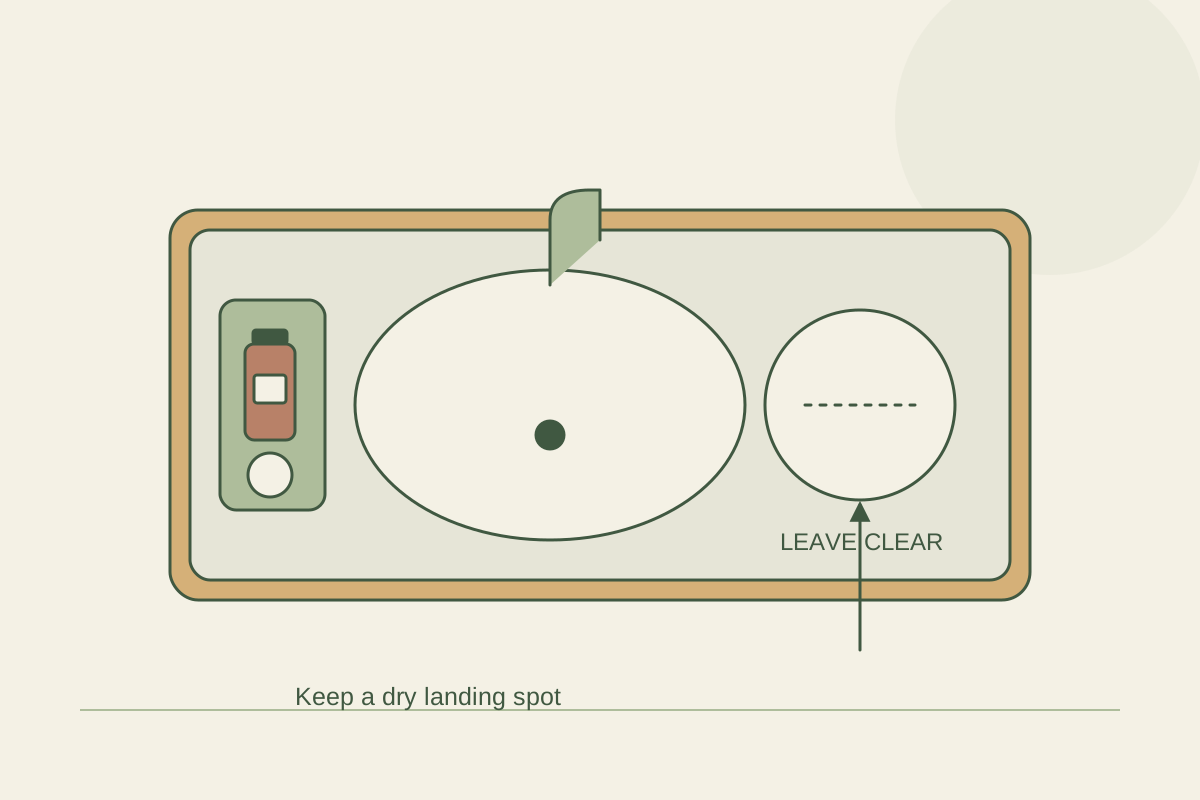
Use the sink normally and see where water lands. Preserve a dry patch where you can put down the item in your hand. A small removable holder can contain daily bottles, but keep its footprint smaller than the whole usable surface. In a shared room, personal baskets may work better than one long row of products. Test the loaded basket against the shelf opening and leave a temporary place to set it down without obstructing someone else's washing routine.
Map the cabinet around the pipes
Open the under-sink cabinet and measure the separate usable spaces beside and below the plumbing. Keep valves and maintenance access available. Try a removable shallow bin rather than spanning every inch with a permanent rack. Check pull-out movement against door hinges, and leave enough height to lift the tallest bottle. If the cabinet has damp areas or returning water marks, investigate before covering them. A tidy container should not conceal a problem that needs the property owner or a plumber's attention.
Use vertical space only where it remains accessible
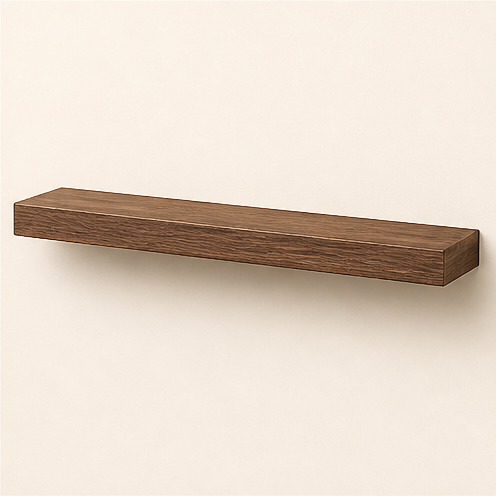
A shelf adds useful capacity when you can see and retrieve what it holds. Measure with the tallest item in place, including pump movement, then test the reach from the normal standing position. Follow the shelf manufacturer's mounting, surface and load instructions. Command's bathroom instructions, for example, exclude several surfaces and distinguish installation steps by product type. A general decorating guide cannot establish whether your tile, wall or rental conditions permit a particular installation. If uncertain, ask the appropriate owner or installer.
Give drying and clean storage different jobs
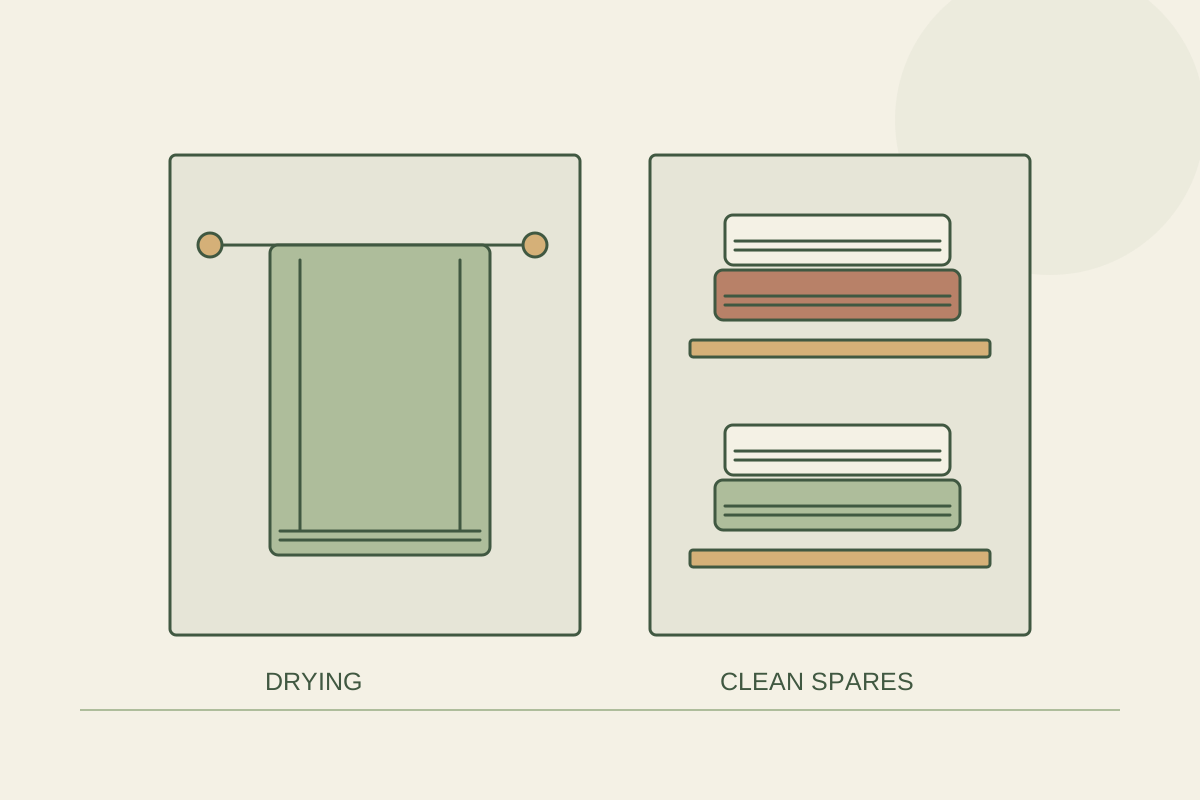
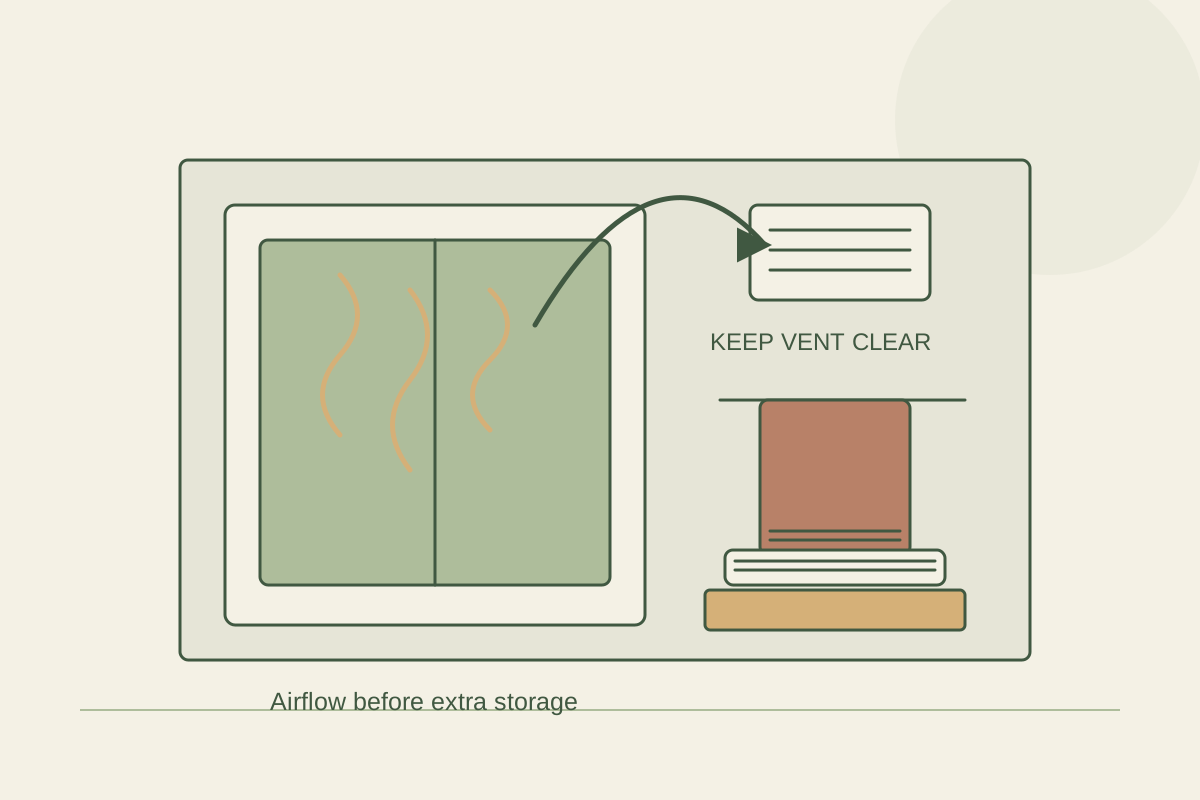
Let used towels spread out in an appropriate place rather than packing them between dry spares. Store clean textiles fully dry. EPA guidance recommends indoor humidity below 60 percent, ideally 30 to 50 percent where possible, and using a bathroom fan or opening a window while showering. Keep ventilation openings unobstructed. Move spare towels and paper away from persistently damp corners. If moisture or visible mold returns, address its source using appropriate guidance before restoring the storage arrangement.
Test a small shared-bathroom setup
Illustrative example: two people share a vanity with one drawer and little counter space. They leave shared hand soap beside the basin, put each person's daily kit in a separate shallow basket in the cabinet, and use the drawer for small grooming tools. Spare towels stay in a bedroom closet. After a normal morning, they check whether the baskets return easily and whether the counter remains usable. They buy additional dividers only for the section that still causes a repeated interruption, rather than filling every remaining gap.
Compare the options
| Location | Keep here | Check first |
|---|---|---|
| Sink-side holder | Small shared daily set | Splash area and wiping access |
| Removable personal basket | Individual daily routines | Loaded size and return movement |
| Under-sink bin | Suitable contained supplies | Pipes, hinges and valve access |
| Nearby dry closet | Clean spare textiles and stock | Product storage requirements |
Your checklist
0 / 6 completed
Common questions
What storage works in a bathroom with no drawers?
Try one removable daily-use container on an existing shelf or in a suitable cabinet. Separate personal kits if needed, and put small loose items in shallow contained sections. Add wall storage only after confirming installation suitability and testing reach with the real contents.
Should I store every spare towel in the bathroom?
No. Keep a modest working supply if the room provides suitable dry storage. A nearby closet can hold the remaining clean, fully dry towels. If stored textiles repeatedly feel damp, reconsider the location and room moisture rather than simply changing the basket or folding style.
Is a shelf above the toilet always the best solution?
No. Consider the actual reach, contents, fixture operation and installation instructions. It may suit some rooms, but a removable bin in an existing cabinet can be simpler. Do not place items where retrieval is awkward or where they interfere with using or maintaining the fixtures.
Useful references
- US EPA: A Brief Guide to Mold, Moisture and Your Home ↗
- Command: bathroom hooks and accessories installation instructions ↗