
Try it at your actual eye level
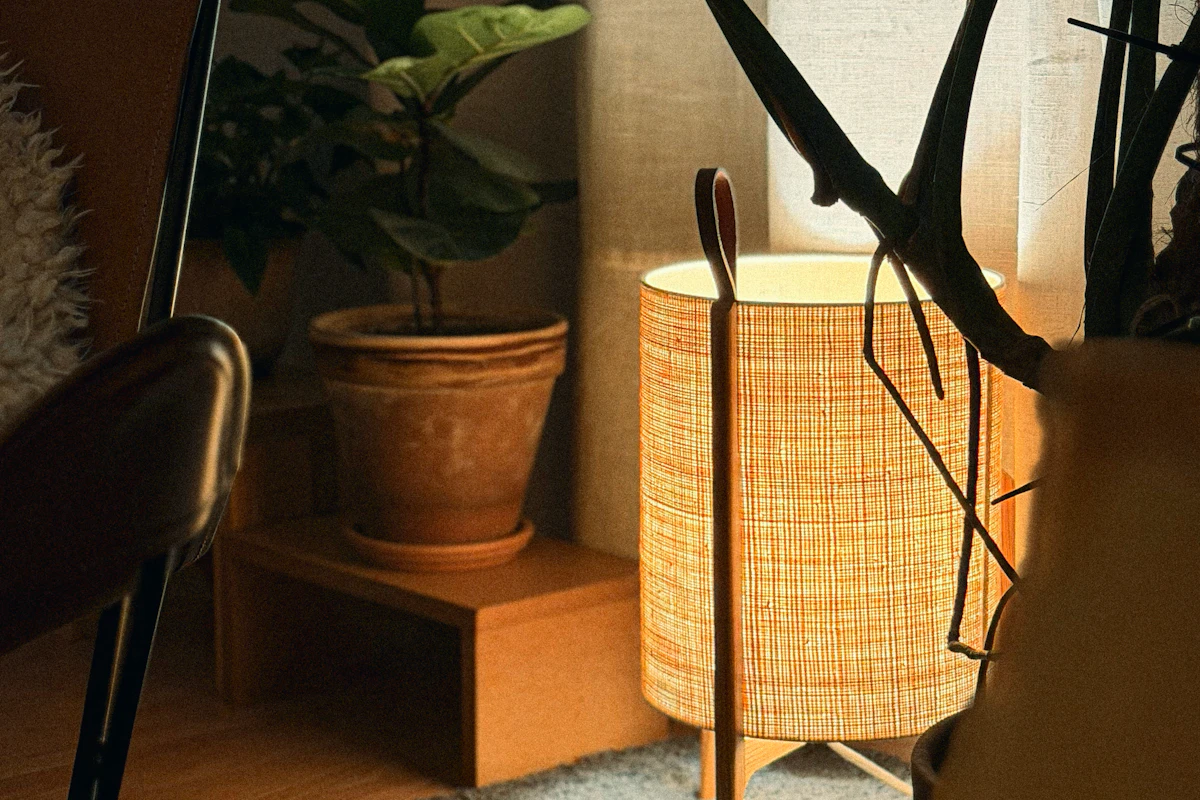
A bedside lamp can look perfectly proportioned while exposing the bulb when you lie down. Test the shade from both a seated reading position and your usual pillow height. If the bulb is plainly visible, try a different shade shape or lamp position rather than assuming a weaker bulb will solve everything. Check the table's usable surface too: the base should leave a stable landing place for the small things you use at night.
Put the control where the hand goes
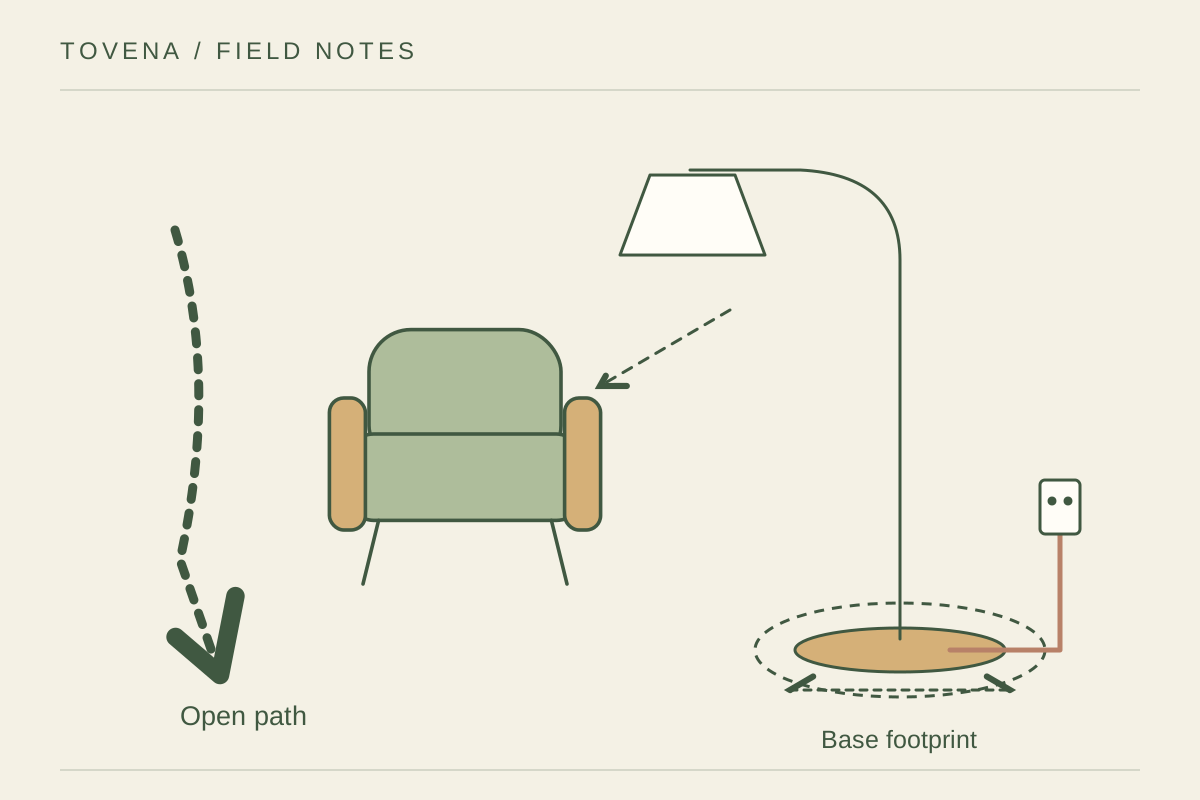
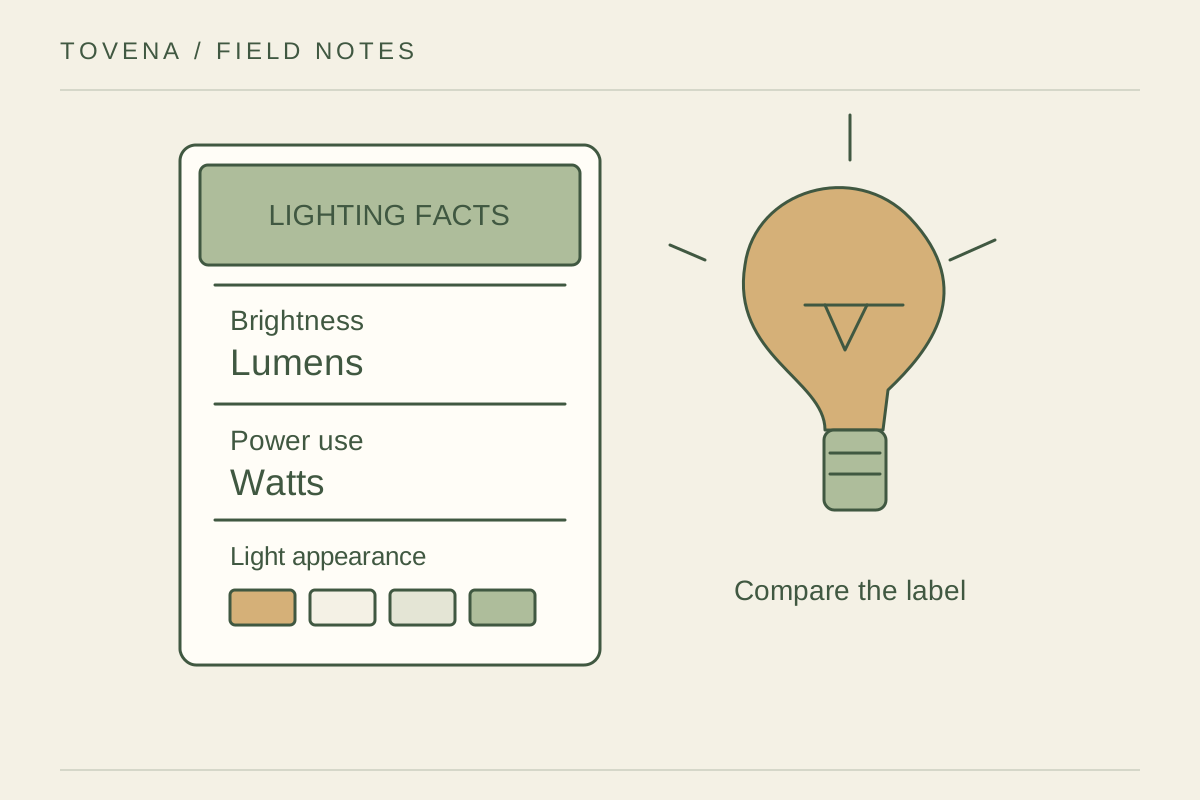
Reach for the switch without sitting fully upright or searching behind a drawer. A control on the cord is useful only if it stays accessible rather than slipping behind the table. Place the lamp so its cable reaches the outlet without crossing the route beside the bed. Keep the setup within the lamp maker's bulb and electrical specifications. If two people read separately, consider independent controls so one person's change does not alter both sides.
Read an ordinary page before deciding
Open a book with the print size you normally read and move it through the positions you use. Look for a bright spot on glossy pages and a shadow cast by your own hand. Adjust the direction first, then choose brightness to suit the task and your preference. A decorative bedside lamp and a focused reading light do not have to be the same item. Choose based on the activity that happens most often, not only on the room photograph.